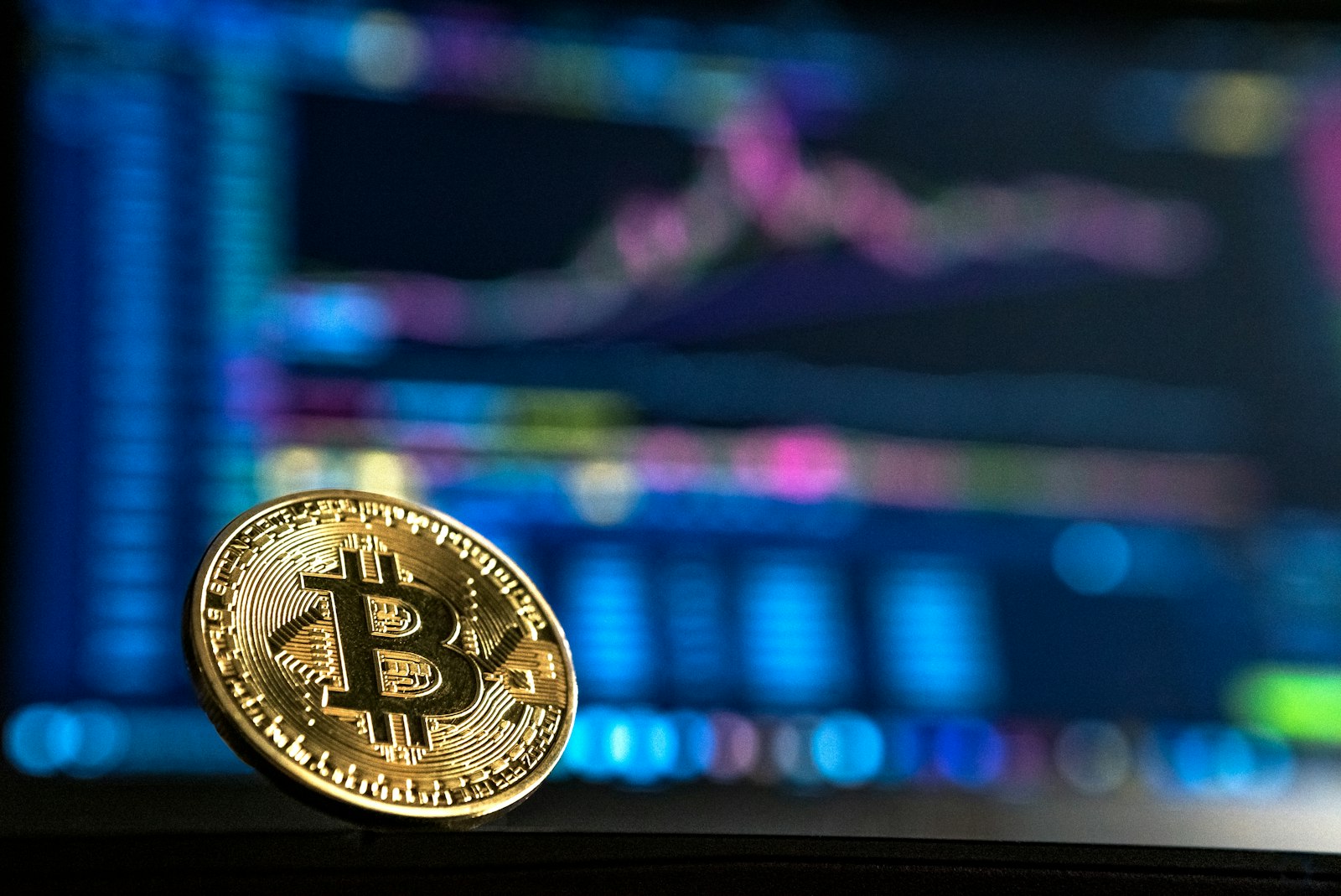
Bitcoin in Simple Terms
Bitcoin is digital money that works without banks or governments. Created in 2009 by the pseudonymous Satoshi Nakamoto, Bitcoin allows anyone to send and receive value anywhere in the world, instantly and with minimal fees.
Think of it like digital gold — there will only ever be 21 million Bitcoin, making it scarce and potentially valuable over time. Unlike Thai Baht, which the Bank of Thailand can print more of, nobody can create more Bitcoin than the predetermined supply.
Key Facts About Bitcoin
- Created: January 3, 2009
- Creator: Satoshi Nakamoto (pseudonymous)
- Maximum Supply: 21 million BTC
- Smallest Unit: 1 satoshi = 0.00000001 BTC
- Technology: Blockchain (decentralized ledger)
- Symbol: BTC or XBT
How Does Bitcoin Work?
Bitcoin runs on a technology called blockchain — a public, transparent record of every transaction ever made. This ledger is maintained by thousands of computers worldwide, making it virtually impossible to hack or manipulate.
Blockchain
A chain of "blocks" containing transaction records. Each block is cryptographically linked to the previous one, creating an immutable history.
Mining
Specialized computers solve complex math problems to validate transactions and create new blocks. Miners are rewarded with new Bitcoin for their work.
Wallets
Software or hardware that stores your private keys — the cryptographic codes that prove ownership of your Bitcoin. Your wallet doesn't store Bitcoin itself; it stores the keys to access it on the blockchain.
Decentralization
No single entity controls Bitcoin. The network is maintained by thousands of independent nodes worldwide, making it censorship-resistant and trustless.
Why Bitcoin Matters for Thailand
Thailand is one of the most crypto-friendly countries in Southeast Asia. Here's why Bitcoin is particularly relevant for Thai investors:
- Growing Adoption: Over 3 million Thai crypto investors and growing. Thailand has one of the highest crypto adoption rates in Southeast Asia.
- Digital Baht CBDC: The Bank of Thailand is developing a Central Bank Digital Currency (Digital Baht), showing the government's embrace of digital finance.
- Regulatory Clarity: Thailand's SEC provides clear licensing for crypto exchanges, offering more protection than many countries.
- Hedge Against Inflation: Bitcoin's fixed supply makes it a potential hedge against currency devaluation, relevant for THB investors.
- Remittances: Bitcoin enables fast, cheap money transfers — important for Thailand's large remittance market.
Bitcoin vs Traditional Finance
| Feature | Bitcoin | Thai Baht (Bank) |
|---|---|---|
| Supply | Fixed (21M) | Unlimited |
| International Transfer | Minutes, low fees | Days, high fees |
| Availability | 24/7/365 | Banking hours |
| Control | You own it | Bank holds it |
| Transparency | Public blockchain | Private ledger |
Risks to Be Aware Of
- ! Volatility: Bitcoin's price can fluctuate dramatically. Only invest what you can afford to lose.
- ! Scams: Beware of "guaranteed returns" schemes and fake investment platforms common in Thailand.
- ! Irreversible Transactions: Bitcoin transactions cannot be reversed. Double-check addresses before sending.
- ! Tax Obligations: Thailand taxes crypto gains at 15%. Keep records for tax reporting.
Ready to Get Started?
Learn how to buy your first Bitcoin in Thailand with our step-by-step guide.
How to Buy Bitcoin